

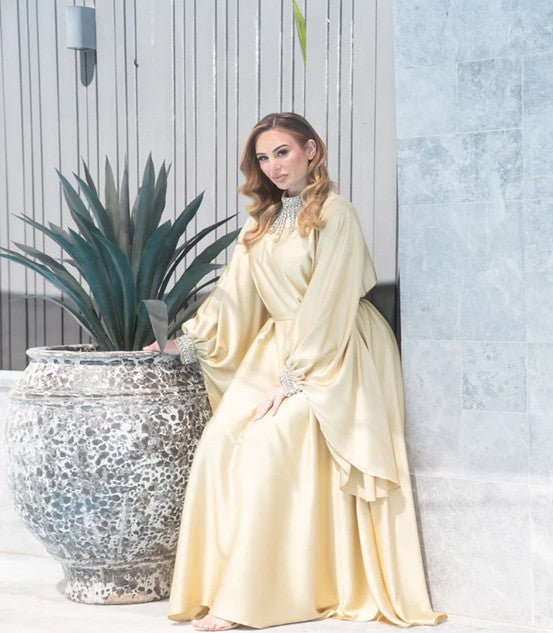
Fashion is no longer about fitting in, it’s about standing out for who you truly are. Inclusive fashion embraces individuality, ensuring every person feels represented and confident in their own skin. She’s Limitless celebrates this movement by designing with empathy, diversity, and empowerment at its heart. It’s about more than sizes; it’s about redefining beauty standards and creating a space where everyone belongs, feels seen, and feels limitless.
Table of Contents
- Key Takeaways
- What Does Inclusive Fashion Really Mean?
- Why Inclusive Fashion Is More Than Just Sizes?
- How She’s Limitless Embodies Inclusive Fashion?
- How Inclusive Fashion Impacts Society?
- The Future of Fashion in Australia
- Conclusion
- FAQs:
Key Takeaways
- Inclusive fashion embraces all shapes, identities, and abilities
- It’s not just about size, it’s about accessibility, diversity, and respect
- Representation in campaigns builds belonging and confidence
- Sustainable and ethical production are part of the inclusivity mindset
- She’s Limitless champions a fashion culture where every woman feels empowered to express her authentic self
What Does Inclusive Fashion Really Mean?
Inclusive fashion goes beyond offering a few plus-size options. It’s about designing with empathy, ensuring everyone, regardless of size, mobility, or background, can express themselves through style. True inclusivity considers fit, comfort, accessibility, and representation in marketing and product design alike.
According to the Australian Fashion Council, the industry is gradually embracing inclusive practices, yet much work remains to be done to reflect the real world on the runway and in stores.
Inclusive fashion is a call to design with purpose, where clothes adapt to people, not the other way around. It celebrates authenticity, representation, and equality, making style a shared experience rather than an exclusive privilege.
Key elements that define inclusive fashion include:
- Adaptive designs that support people with physical or sensory needs.
- Cultural sensitivity that respects diversity in attire and identity.
- Expanded size ranges that reflect the real spectrum of bodies.
- Authentic representation in campaigns and model selection.
- Sustainable materials that align with ethical values and longevity.
When brands adopt inclusive values, they move from selling clothes to creating belonging, and that’s where true transformation begins.
Why Inclusive Fashion Is More Than Just Sizes?
In recent years, the term inclusive fashion has popped up everywhere, from runway shows to social media campaigns and even in your local department stores. But what does it really mean? And why is it so much more than just adding a few extra sizes to a clothing line?
For Australians, fashion has always been a way to express identity, culture, and individuality. Yet for too long, the industry has been dominated by narrow ideas of beauty, the tall, thin, young and able-bodied models we’re used to seeing in magazines and online.
Inclusive fashion challenges this long-standing mould. It’s about embracing the diversity of real people and making sure everyone feels represented, comfortable, and confident in what they wear.
Beyond the Size Range
When most people hear inclusive fashion, they think of size inclusivity, and that’s fair enough. For decades, larger-bodied people were left out of mainstream fashion. Many shoppers know the frustration of walking into a store only to find the biggest size stops at a 14 or 16, leaving anyone above that with few and often unflattering options.
Some Aussie brands are starting to get it right:
- Brands like She’s Limitless are leading the way in offering extended size ranges without compromising on quality or style.
- These brands recognise that fashion isn’t about fitting into a size, it’s about clothes fitting you.
But inclusive fashion goes far beyond what’s on the label. It’s about making sure fashion caters to:
- All body shapes and sizes
- All abilities and access needs
- All ages and gender identities
- All cultural and social backgrounds
Representation Matters
Representation sits at the heart of inclusive fashion. It’s about seeing people who look like you in the clothes being advertised. When brands feature models of different sizes, skin tones, genders, and abilities, it sends a powerful message that style has no boundaries.
For example:
- Indigenous-owned labels are creating space for cultural storytelling within fashion, weaving Indigenous identity and artistry into contemporary design.
Inclusive fashion here isn’t just about clothes, it’s about celebrating the diversity that makes Australia unique and challenging outdated standards of beauty.
Accessibility and Adaptive Design
Another key, and often overlooked, part of inclusive fashion is accessibility. For people living with disabilities, getting dressed can be a daily challenge, especially when mainstream clothing isn’t designed with their needs in mind.
Adaptive fashion changes that. It creates garments that are stylish, functional, and easy to wear for everyone.
Some examples include:
- Magnetic buttons instead of zips or fiddly fasteners
- Seated designs tailored for wheelchair users
- Soft, tag-free fabrics for people with sensory sensitivities
The goal is simple:
- No one should have to sacrifice comfort or style because of their physical abilities.
- Inclusivity means designing with people, not just for them, turning lived experiences into creative, accessible solutions.
Gender Inclusivity in Fashion
Fashion is becoming increasingly gender-fluid, and younger Aussies are driving the change. Gone are the days when clothing was neatly divided into “men’s” and “women’s” sections. People are choosing clothes that reflect who they are, not what society expects.
Brands embracing this movement include:
- Some brands are creating collections that blur gender lines and focus on self-expression.
- Mainstream labels, which now offer gender-neutral ranges for anyone who wants more choice and freedom.
At its core, gender-inclusive fashion is about:
- Allowing everyone to express themselves freely
- Recognising that style is personal and fluid
- Moving away from outdated gender expectations
It’s not about erasing gender, it’s about expanding the options so everyone can wear what feels right.
Age Inclusivity and Body Positivity
Inclusive fashion also means recognising that style doesn’t fade with age. Too often, older Australians are left out of fashion marketing, even though confidence and creativity often grow with experience.
Designers and brands leading the way include:
- Many brands have long designed timeless pieces for women of all ages
- A new generation of Aussie brands and influencers over 50 are proving that style has no age limit
And let’s not forget body positivity. Inclusive fashion embraces the reality that bodies change, through pregnancy, menopause, illness, or simply life.
The message is simple:
- Clothes should evolve with you, not against you.
- Everybody deserves to feel good, regardless of size, shape, or age.
How She’s Limitless Embodies Inclusive Fashion?
At She’s Limitless, inclusivity is woven into every thread. The brand focuses on:
- Inclusive fits that celebrate different body shapes.
- Empowering designs that inspire confidence and movement.
- Positive messaging that uplifts, not compares.
- Community-driven fashion, where women support women through shared stories and style.
Explore our new arrivals, thoughtfully created to reflect comfort, diversity, and timeless style. It’s community-driven fashion, where women support women through shared stories and self-expression.
How Inclusive Fashion Impacts Society?
Fashion isn’t just fabric, it’s language. When inclusive brands enter the spotlight, they challenge stereotypes, normalise diversity, and influence broader cultural shifts.
The research for sustainable fashion highlights that inclusivity strengthens the industry’s global impact, connecting sustainability with social progress. By designing for everyone, we create a world where style belongs to all.
The Future of Fashion in Australia
As the fashion landscape shifts, Aussie consumers are demanding more authenticity and accountability. We’re calling out tokenism, like featuring one plus-size model among an otherwise uniform lineup, and asking for genuine, long-term commitments to diversity.
Inclusive fashion isn’t just another marketing term. It’s a movement towards:
- Equality and Accessibility — Making fashion available to all
- Representation and Respect — Seeing ourselves reflected in the industry
- Self-expression and Creativity — Giving people the freedom to be who they are
At its heart, fashion should make people feel good, not left out. Whether through size inclusivity, adaptive design, cultural representation, or age and gender diversity, the goal remains the same:
- Everyone deserves to feel seen, valued, and stylish.
In a country as diverse as Australia, inclusive fashion isn’t just the future, it’s what the industry should have been all along.
Conclusion
Inclusive fashion isn’t a box to tick, it’s a philosophy that redefines beauty, equality, and empowerment. Every stitch has the power to include or exclude; She’s Limitless chooses inclusion. Ready to embrace a fashion culture that celebrates every woman? Reach out to us today to learn how our empowering designs can help you feel confident, limitless, and authentically you.
FAQs:
What does inclusive fashion mean?
Inclusive fashion designs clothes for all body types, genders, abilities, and cultures. It values comfort, accessibility, and representation equally.
Why is inclusive fashion important?
It ensures everyone feels seen and valued. Representation boosts confidence and breaks long-held beauty stereotypes.
How is inclusive fashion different from plus-size fashion?
Plus-size fashion focuses on extended sizing, while inclusive fashion covers accessibility, gender diversity, and cultural awareness as well.
Which brands promote inclusive fashion in Australia?
Many local labels, including She’s Limitless, are embracing inclusive practices. Global leaders also contribute to accessible fashion.
How can I support inclusive fashion?
Buy from ethical brands, share diverse content, and support campaigns that champion representation and accessibility in the fashion industry.
What materials support inclusivity?
Soft, stretchable, and breathable fabrics like bamboo, modal, and organic cotton provide comfort and adaptability for different body types.

